EN ▾
Public Transit Biohazard Cleanup in Detroit, MI
Honest, hard‑working Detroit public transit biohazard cleanup pros — the way it oughta be done. Upfront pricing, fast scheduling, and work done right.
What we do
Public Transit Biohazard Cleanup
From urgent repairs to planned installs, Detroit Unattended Death Cleanup's licensed team handles public transit biohazard cleanup across Detroit — with an upfront price agreed before any work begins.
How it works
Public Transit Biohazard Cleanup FAQ
What payment methods do you accept?+
How much does biohazard cleanup cost in Detroit?+
Why choose Detroit Unattended Death Cleanup?+
What biohazard cleanup services do you offer in Detroit?+
Who do I call for a biohazard cleanup emergency in Detroit?+
How can I verify a biohazard cleanup company in Detroit is licensed and legitimate?+
Public Transit Biohazard Cleanup in Detroit
Public transit biohazard cleanup in Detroit addresses the unique challenges found inside buses, trains, transit stations, and shelters. Unlike residential or commercial spaces, transit environments are confined, high-traffic, and often lack proper ventilation. Biohazards here can include blood, vomit, fecal matter, urine, or other bodily fluids from incidents ranging from medical emergencies to violent acts. The work involves not only removing visible contaminants but also neutralizing pathogens that linger on seats, handrails, flooring, and ticket kiosks. Technicians must follow strict protocols for hazardous waste disposal, using EPA-registered disinfectants and personal protective equipment suited for tight spaces. Because transit vehicles and stations operate on fixed schedules, cleanup must be completed quickly and discreetly to minimize service disruptions. In Detroit, where public transit is a lifeline for many residents, a contaminated bus or platform can strand commuters and pose health risks. Proper restoration also includes odor elimination and surface decontamination to prevent cross-contamination between passengers.
The process begins with an immediate assessment of the affected area, whether it is a single bus, a train car, or a station restroom. Technicians isolate the zone to prevent public exposure, then remove all biohazardous materials using specialized absorbents and tools. For porous surfaces like upholstery or carpet, deep extraction and enzymatic treatments are often required. Hard surfaces are scrubbed and disinfected multiple times. In transit stations, cleanup may extend to elevators, stairwells, and waiting areas. After decontamination, air quality testing ensures no airborne pathogens remain. For Detroit properties that own or manage transit infrastructure — such as the Detroit Department of Transportation (DDOT), the QLine, or SMART bus terminals — this service is critical for maintaining operational continuity and public trust. A poorly cleaned transit vehicle can lead to regulatory fines, negative media attention, and reduced ridership. By addressing biohazards thoroughly and efficiently, we help Detroit’s transit network stay safe and reliable for the community.
Areas We Cover in Detroit
Our public transit biohazard cleanup services reach across Detroit, including neighborhoods such as Airport Sub, Arden Park, the Art District, Aviation Sub, Bagley, and Banglatown. We also serve areas near local landmarks like -320° Coffee & Creamery, (revolver), ~W~ Liquor Beer Wine Lotto, and the historic 107.5 FM WGPR radio station. Whether a biohazard incident occurs on a DDOT bus route along Gratiot Avenue, inside a QLine streetcar near the Art District, or at a SMART bus stop in Bagley, our team is equipped to respond. We understand the layout of Detroit’s transit system and coordinate with property managers and transit authorities to access affected vehicles and stations without unnecessary delays.
What to Expect
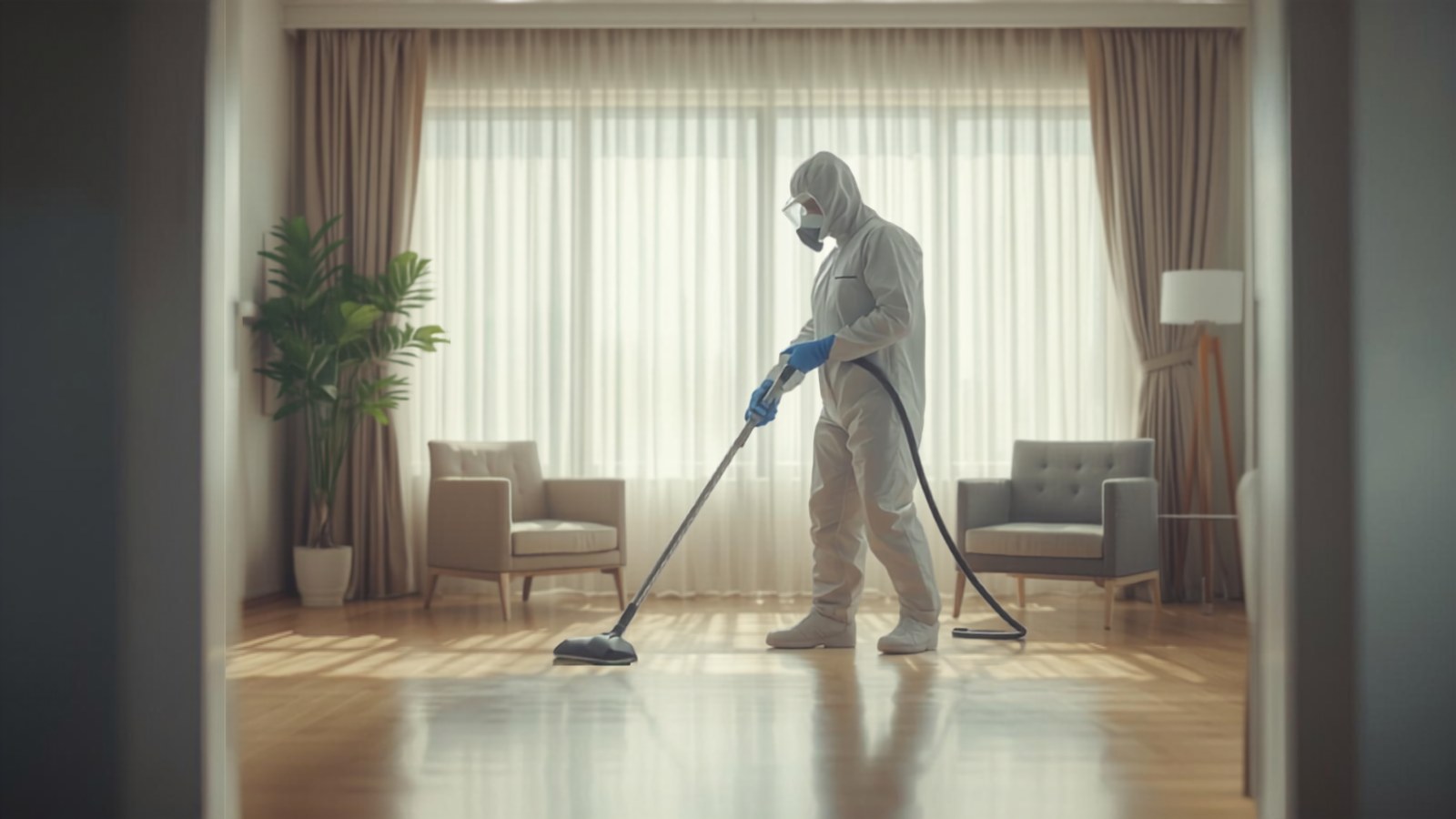
When you request public transit biohazard cleanup from us, expect a focused, no-nonsense response. We arrive with the right equipment for enclosed transit spaces — including HEPA vacuums, foggers, and biohazard waste containers. Our technicians work quietly to avoid drawing public attention, and we coordinate with your schedule to minimize downtime. We handle all waste disposal in compliance with Michigan and federal regulations. After cleanup, we provide a detailed report for your records. No guesswork, no unnecessary extras — just thorough decontamination that gets your transit property back in service.
If you manage a Detroit transit property and need biohazard cleanup, contact Detroit Unattended Death Cleanup. We serve bus depots, train stations, and transit stops across the city. Call us today to discuss your situation and schedule a prompt response.